Say Goodbye To Dry Old CEU's and Say Hello To Learn Trees...
An interactive training and community that empowers participants with the tools and knowledge they need to be successful in the field and in their Green Industry Careers.
REGISTER NOWKnock out CEU's and Save BIG with our
Fall Series CEU Webinar Bundle.
Designed to expand your knowledge and earn you (ISA) CEU credits, our Fall Series Bundle includes (4) live trainings that are recorded and placed into your membership module, supporting tools & materials, and access to the Learn Trees Community that's filled with other Green Industry Professionals.
But here's the best part... for a limited time, our Fall Series Bundle is on sale! Bundle and save 50% OFF when you register today! (Please Note: Each webinar has limited space that is available on a first-come-first-serve basis. Register early to secure your spot.)
$97/Individually OR $197 For All FOUR (50% Savings!)
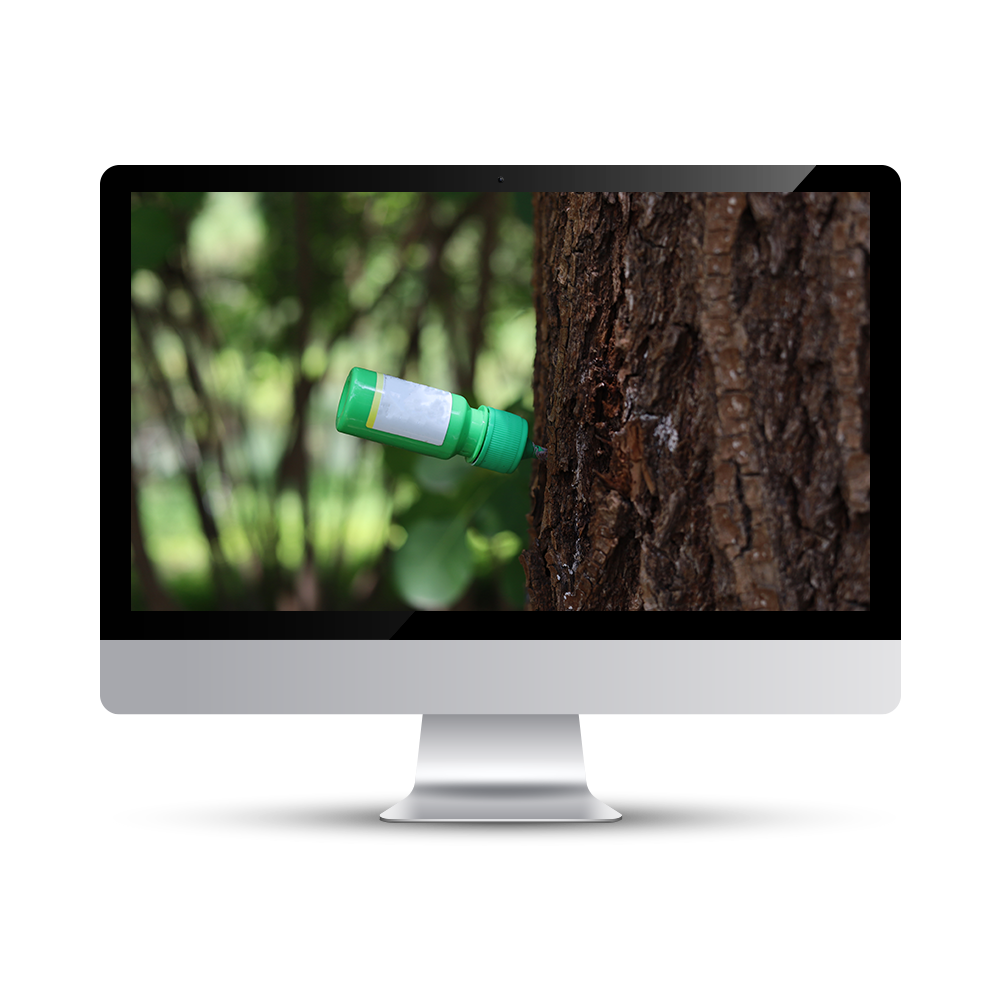
Tree Injection & Systemic Treatments: When, Why & How to Do Them Right
Presented by William Scott
ISA Board Certified Master Arborist | Urban Forest Professional
Tree injection and systemic treatments can be effective tools for managing insects, diseases, nutrient deficiencies, and other plant health problems—but successful treatment requires more than choosing the right product.
This course examines how systemic materials move through trees and how tree physiology, environmental conditions, application method, and timing influence treatment success. Participants will compare trunk injection and infusion with soil-applied, basal bark, and other systemic approaches while learning how to select appropriate treatment candidates, troubleshoot poor uptake, evaluate results, and determine when alternative strategies are needed.
Learning Objectives
Participants completing this course will be able to:
- Explain how tree physiology and environmental conditions influence systemic treatment uptake and distribution.
- Evaluate whether a tree is an appropriate candidate for systemic treatment.
- Compare trunk injection, infusion, soil-applied, basal bark, and other systemic treatment methods.
- Select appropriate treatment timing and application locations.
- Recognize causes of poor uptake or unsuccessful treatment and identify alternative approaches.
- Apply systemic treatment, monitoring, and retreatment principles to private, utility, and publicly managed trees.
Earn the Following CEUs Upon Completion:
- 3.5 CEUs – ISA Certified Arborist
- 3.5 CEUs – BCMA Science
- 2.5 CEUs – BCMA Practice
- 2.0 CEUs – ISA Certified Urban Forest Professional
- 0.5 CEUs – ISA Certified Utility Specialist
Time/Place of Live Training
Date: September 25, 2026
Time: 10:00 AM–1:30 PM Mountain Time
Location: Live via Zoom Webinar
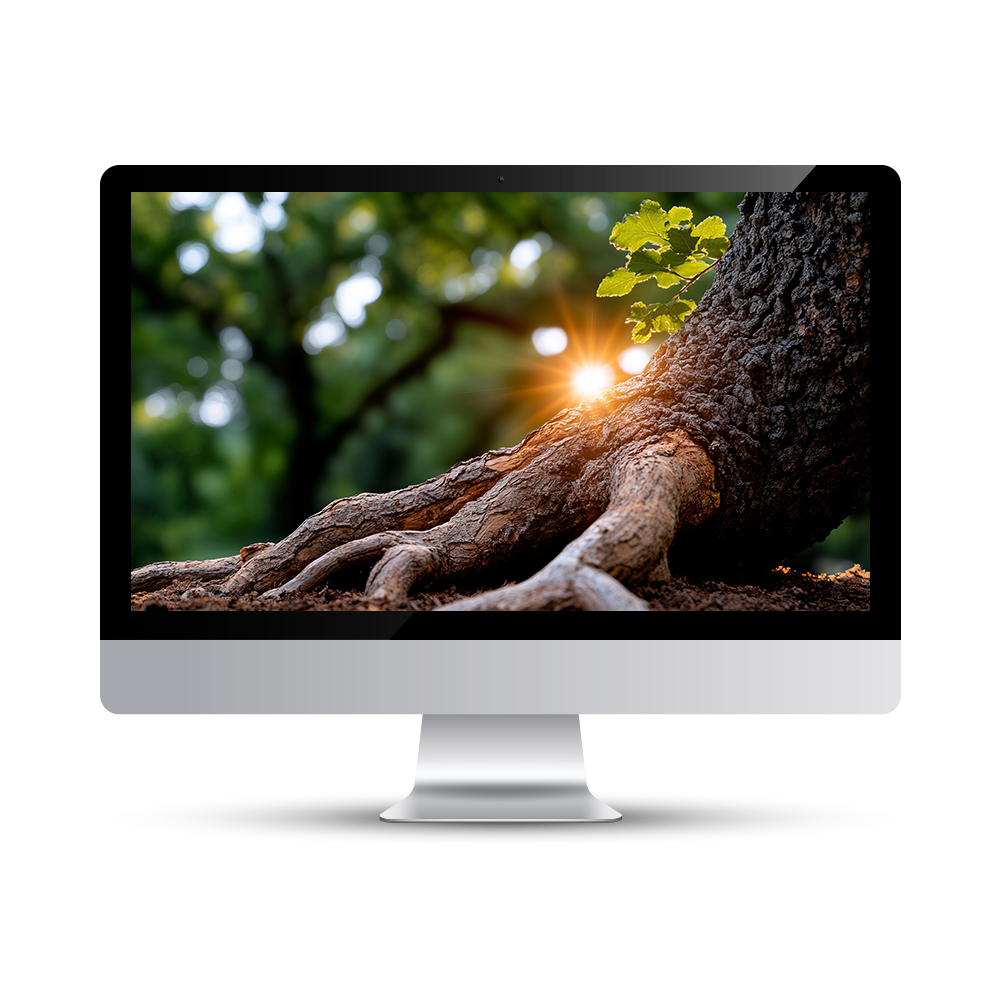
Roots Without Guesswork: Excavation, Root Pruning & Solving Root Conflicts
Presented by William Scott
ISA Board Certified Master Arborist | Urban Forest Professional
Tree roots routinely conflict with sidewalks, streets, utilities, construction, irrigation systems, and other infrastructure—requiring arborists to make informed decisions about roots they often cannot initially see.
This course examines how to investigate and manage tree root systems in developed landscapes. Participants will explore root architecture, root-collar examination, hand and air excavation, root pruning, and common problems such as girdling roots and excessively deep planting. The course will also address utility and infrastructure conflicts, root damage, preservation strategies, and practical approaches for protecting trees in challenging environments.
Learning Objectives
Participants completing this course will be able to:
- Explain tree root architecture, distribution, anchorage, and regeneration.
- Identify girdling roots, adventitious roots, buried root collars, damaged roots, and abnormal root development.
- Select appropriate methods for investigating root collars and root systems.
- Evaluate root-pruning decisions based on root size, location, tree condition, anchorage, and anticipated root loss.
- Develop appropriate responses when significant roots have been damaged or severed.
- Evaluate utility, trenching, excavation, and infrastructure conflicts within tree root zones.
- Develop management, mitigation, and monitoring recommendations for affected trees.
Earn the Following CEUs Upon Completion:
- 3.5 CEUs – ISA Certified Arborist
- 2.0 CEUs – BCMA Science
- 3.5 CEUs – BCMA Practice
- 1.0 CEU – BCMA Management
- 3.0 CEUs – ISA Certified Urban Forest Professional
- 1.5 CEUs – ISA Certified Utility Specialist
Time/Place of Live Training
Date: October 30, 2026
Time: 10:00 AM–1:30 PM Mountain Time
Location: Live via Zoom Webinar
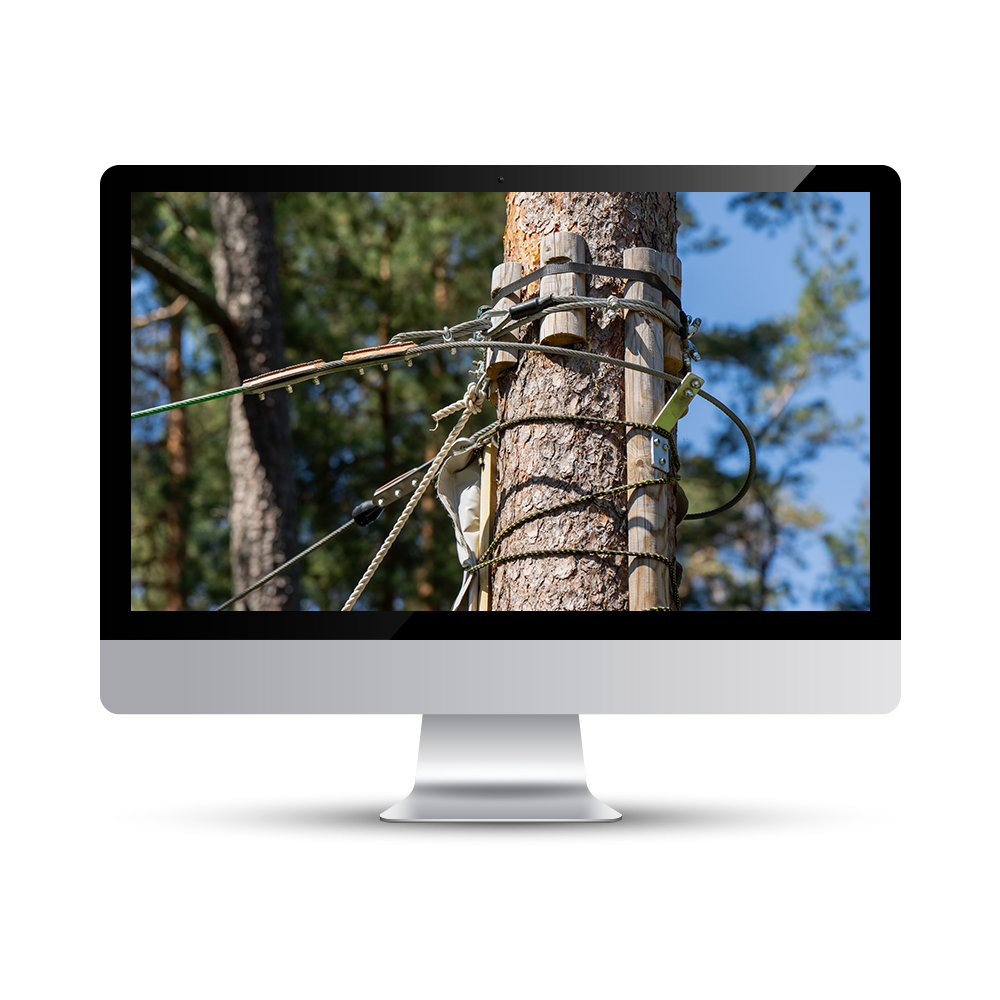
Cabling, Bracing & Tree Support Systems: When They Work and When They Don't
Presented by William Scott
ISA Board Certified Master Arborist | Urban Forest Professional
Supplemental support systems can help arborists manage structural conditions while retaining trees or branches that might otherwise require aggressive pruning or removal—but proper selection, installation, inspection, and maintenance are critical.
This course examines cabling, bracing, and supplemental tree-support systems from planning through long-term management. Participants will compare static and dynamic systems, evaluate attachment locations and hardware, and explore installation and inspection from both Tree Climber and Aerial Lift Specialist perspectives. The course will also address existing support systems, common hazards, and determining when systems should be adjusted, replaced, or removed.
Learning Objectives
Participants completing this course will be able to:
- Identify structural conditions where supplemental support may or may not be appropriate.
- Compare static cabling, dynamic systems, bracing, and other supplemental-support approaches.
- Evaluate attachment locations, system geometry, hardware, tree movement, and pruning considerations.
- Evaluate installation and inspection considerations from Tree Climber and Aerial Lift Specialist perspectives.
- Recognize hazards associated with aerial access, installation, and inspection.
- Identify changes in tree growth, hardware condition, deterioration, and improper installation.
- Establish appropriate inspection, maintenance, adjustment, replacement, and long-term management procedures.
Earn the Following CEUs Upon Completion:
- 3.5 CEUs – ISA Certified Arborist
- 3.5 CEUs – BCMA Practice
- 0.5 CEU – BCMA Management
- 1.5 CEUs – ISA Certified Urban Forest Professional
- 2.0 CEUs – ISA Certified Tree Climber
- 2.0 CEUs – ISA Certified Tree Worker Aerial Lift Specialist
Time/Place of Live Training
Date: November 20, 2026
Time: 10:00 AM–1:30 PM Mountain Time
Location: Live via Zoom Webinar
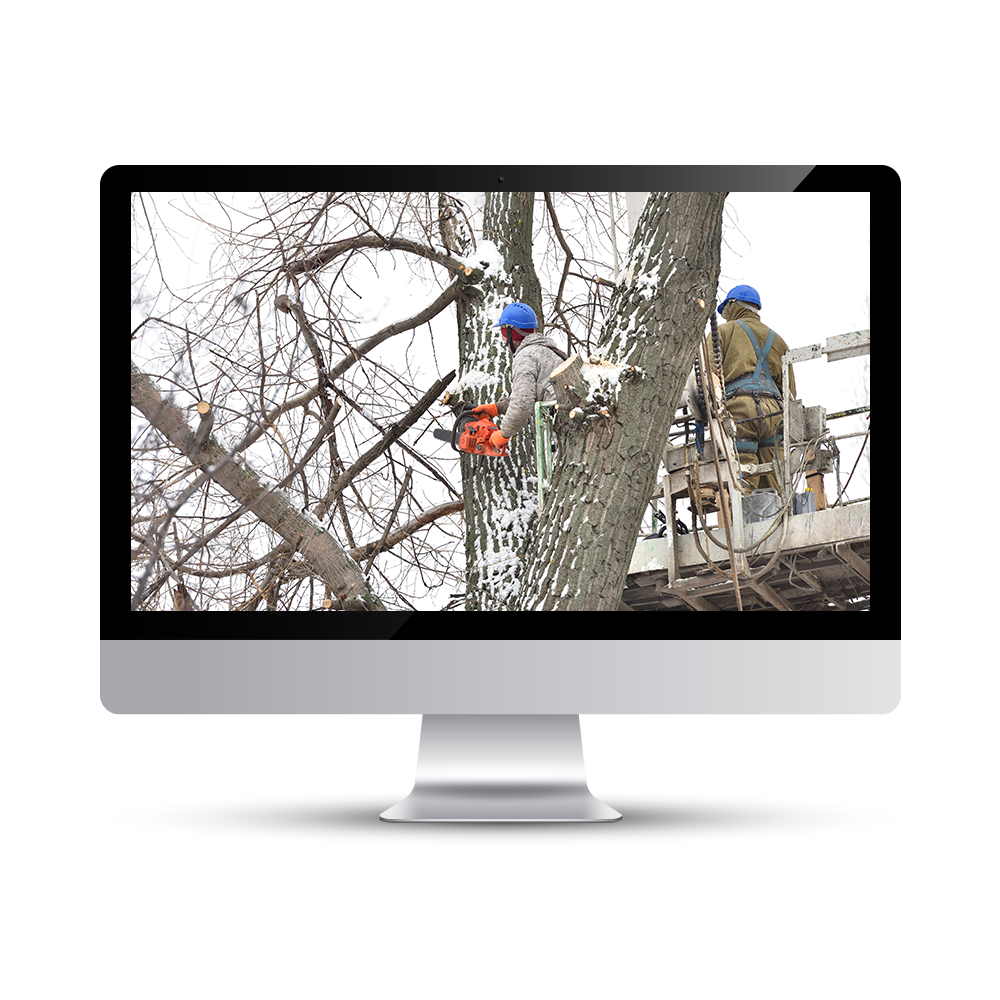
Winter Tree Work: Working Safely & Effectively in Cold Conditions
Presented by William Scott
ISA Board Certified Master Arborist | Urban Forest Professional
Professional tree work continues through winter, but cold temperatures, snow, ice, frozen or thawing soil, and changing weather can significantly affect tree-care decisions and field operations.
This course examines practical winter arboriculture for private tree care, municipal forestry, utility vegetation management, Tree Climbers, and Aerial Lift Specialists. Participants will explore how winter conditions affect trees, climbing and aerial operations, job-site safety, structural inspection, and vegetation management. The course will also cover practical winter-care strategies, including watering, equipment considerations, and determining when conditions require work to be modified, delayed, or discontinued.
Learning Objectives
Participants completing this course will be able to:
- Explain how dormancy, frozen soil, freeze-thaw cycles, snow, ice, and winter desiccation affect trees and tree-care decisions.
- Use dormant-season conditions to improve structural inspection and pruning decisions.
- Evaluate winter climbing conditions, including snow and ice, footing, equipment, work positioning, and changing weather.
- Evaluate winter aerial-device operations, including access, ground conditions, setup, and stabilization.
- Evaluate winter vegetation-management conditions around utility infrastructure.
- Develop practical winter-watering procedures based on soil and weather conditions.
- Determine when winter tree-care or aerial operations should be modified, delayed, or discontinued.
Earn the Following CEUs Upon Completion:
- 3.5 CEUs – ISA Certified Arborist
- 1.0 CEU – BCMA Science
- 3.0 CEUs – BCMA Practice
- 2.0 CEUs – ISA Certified Urban Forest Professional
- 1.0 CEU – ISA Certified Utility Specialist
- 1.0 CEU – ISA Certified Tree Climber
- 1.0 CEU – ISA Certified Tree Worker Aerial Lift Specialist
Time/Place of Live Training
Date: December 18, 2026
Time: 10:00 AM–1:30 PM Mountain Time
Location: Live via Zoom Webinar
Learn More With Learn Trees.
Have fun learning, advance your career, and earn CEU Credits with any of our four trainings. Questions? Email us at bill@learntrees.com.
REGISTER NOW